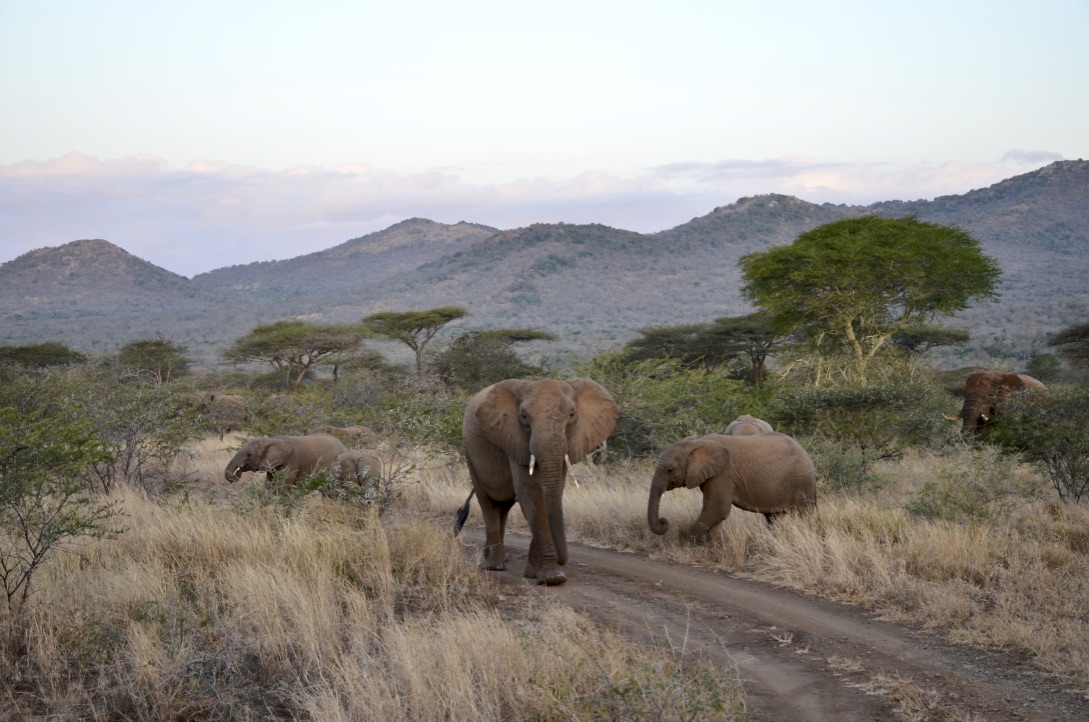
Your first safari should bring you tears, amusement, laugher and some stunning pictures. Here are our 5 essential things to know, to make the most out of your green safari adventure in search of the Lion King.
The best time of the year to go on a safari
To be honest, Africa is blessed with its weather. Rain season starts from October and ends in June while the dry season is from July till September. Independent of the season, it is warm all over the year. The dry season is considered to be the best season to spot animals. For one simple reason: Visibility. Those mystical beasts are easier to spot when the gras is low and the water wholes scarce. However, bear in mind that peak season attract the masses. In the worst case scenario 30 cheeps surround a leopard with its cups on a street in Kruger park. Yes can happened. And no, this is not environmentally friendly nor the type of green safari we’re looking for. Nor does it allow you to enjoy the peaceful beauty of nature. We recommend you to go on a safari in low season. By doing so you’ll experience wildlife at its best: untouched and wild.
National park vs. private game reserve
If you’re looking for a less crowded, more authentic and truly green safari experience visit a private concession of an African national park or a private game reserve. So why do we say that? The same flora and fauna exists in both national parks and private game reserves. The difference though is simple. National parks are government-owned and managed while a private game reserve is privately owned and managed, thus usually a lot smaller. That doesn’t mean that rich people bought a bunch of animals and keep them in a zoo. No. Private game reserves have stricter limitations on the amount of tourists allowed into the reserve and a stricter policy to preserve the integrity of the ecosystem. A private concession is basically a private game reserve within a national park. Because of the inclusion into a huge area of wildlife, private concession allow to spot a great diversity of the species and are the most wildlife and nature preserving entities. So to make your safari trip truly green: chose the private game reserve and the private concession over the national park.
Be considerate to your environment
A pack of lions eating their pray, a herd of elephants taking a bath in the sand and the small cow-birds riding the buffalos. The human being is just a visitor in the animal’s home. It is important to bear that in mind as these beautiful creatures are part of this land for longer than we can imagine and we are fighting to preserve their existence for many more years. So for your safety as well as their protection there are a few rules you need to consider on a safari: don’t scream, don’t leave the vehicle, never litter and never ever run if your life is precious to you. By running, you’ll become the pray.
Your safari guide – a wise man
Your personal guide is the person you’ll spend most of the time with. Lucky you because they’re a wealth of information. Many guides regard their jobs as their passion, being a source of information for wildlife better than google. So don’t be afraid to ask questions. They can enrich your trip with interesting background facts about a bird, a lion or a rock that looks like a rhino as well as funny stories about their own experiences in the wild. PS: Tip your guide. It is up to you how much you tip but a good rule of thumb is to tip 10€ per person per day. These guys are really worth the money.

Dress code – safari casual
A crop top might be the adequate outfit for a Saturday night in a bar, yet, for a safari you’ll better leave it at home. We’ve seen all these kinds of outfits on our trips from high heels to summer dresses, from camouflage jumpsuits to the well known white socks with sandals. The good news is, leave all of that at home. You’ll only need your eyes and comfortable layers in natural colors. Bring some light pants as well as long and short sleeve t-shirts. During winter season you might want to bring a light winter jacket and a hat as it can get chilly.
The early bird catches the lion
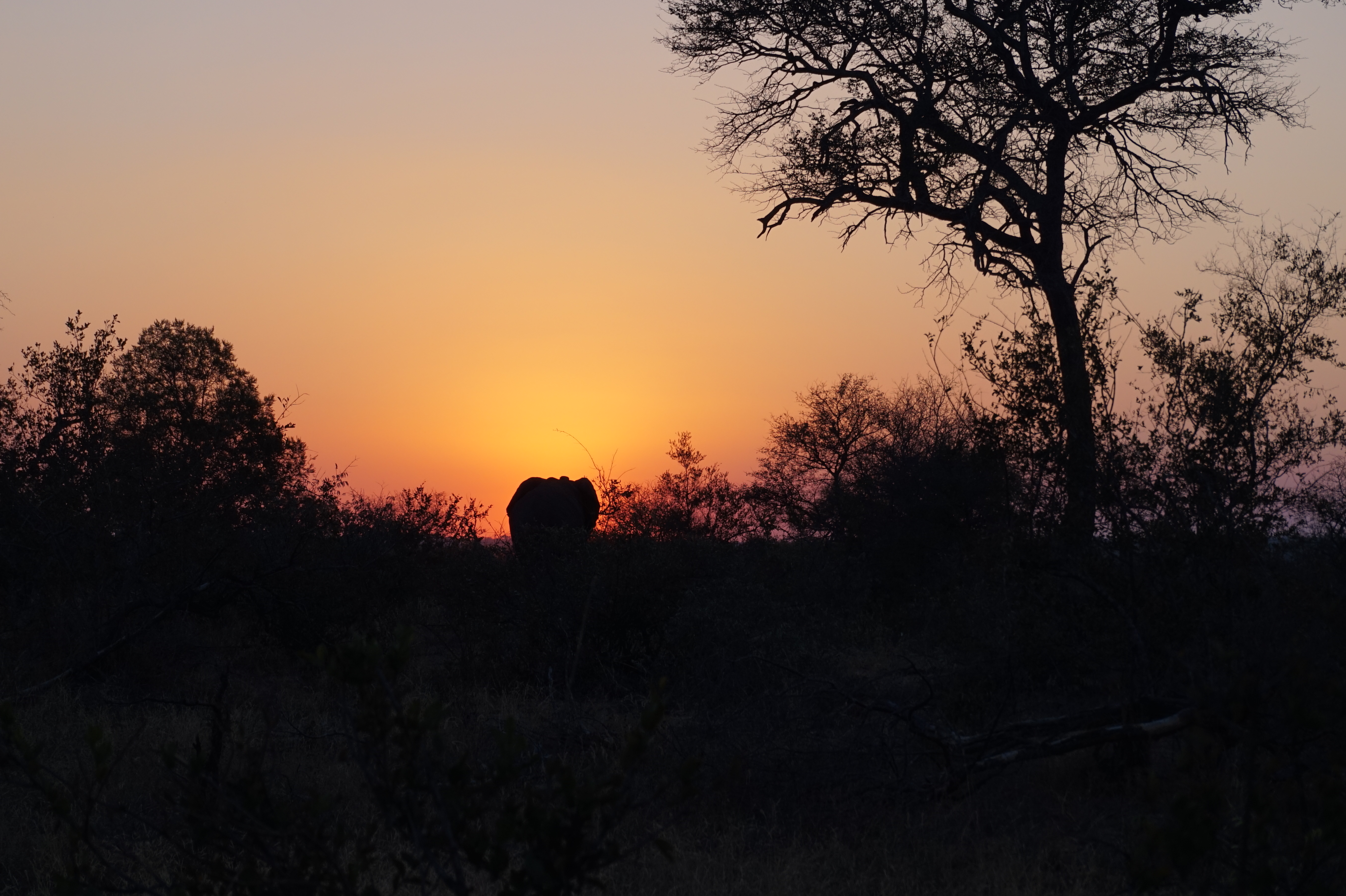
Animals are the most active in the morning and the evenings. This is the time of the day when they’re looking for water, when they hunt and wander. So your guide will take you on 2 game drives a day: before the sun rises and when the sun sets. The bad news: the sun rises between 6 and 7 so your game drive will start between 4:30 and 6:30, depending on the time of the year. The good news: you’ll learn to embrace them.
 Byond Traveling